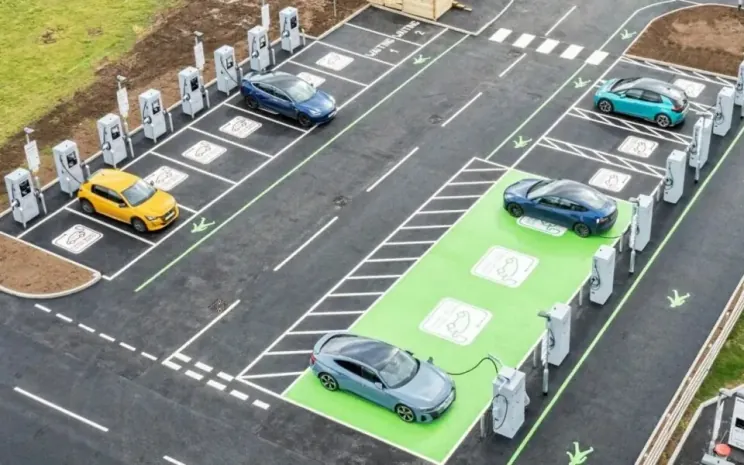
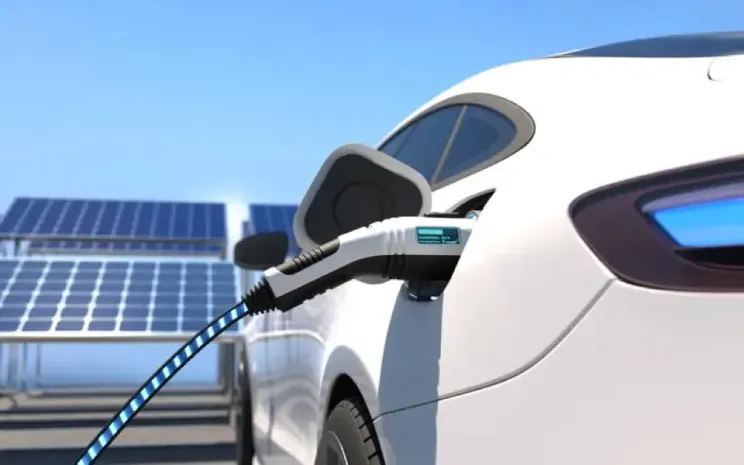
We help charging operators and technology providers build, connect and improve the software that keeps charging networks running, from the charging platform to the systems around it.
A charging session may start at a single connector, but delivering it reliably involves several connected systems. Charging stations communicate with management platforms, operators exchange data with roaming partners, and payment and billing systems handle the commercial side.
Each part has its own responsibilities, interfaces and operational challenges. Good software brings those parts together without making the overall platform harder to maintain.
Infrastructure
Charging stations, connectors, metering, device status and remote communication.
Platforms
CSMS backends, charging sessions, users, tariffs, authorisation and operational workflows.
Connected services
Roaming, payments, partner APIs, smart charging and energy management.
Charging platforms & connectivity
Charging management software needs to handle devices and transactions that do not always behave as expected. A dependable CSMS keeps track of charger availability, manages charging sessions and remote actions, and exposes consistent backend services for the rest of the business.
Charger communication, monitoring and remote commands
Charging sessions, authorisation, tariffs and backend APIs
Interoperability and reliable production behaviour
Roaming, payments & integrations
A charging platform rarely operates alone. It exchanges information with roaming partners, eMobility service providers, payment services and back-office systems. These integrations need clear data models, reliable synchronisation and predictable handling of failures.
CPO/eMSP roaming and charge detail records
Payment terminals, invoicing and tariff information
Third-party APIs and ERP connectivity
Smart charging & energy integration
Charging power is limited by site capacity, other electrical loads and operational priorities. Smart charging software helps allocate available power, respond to constraints and connect charging activity with the energy systems around it.
Dynamic load management and charging profiles
Site power constraints and prioritised charging
Connections to metering, PV, batteries and EMS platforms
Different chargers, platforms and service providers need a common way to exchange data. Open protocols make these integrations more predictable and reduce dependence on proprietary interfaces.
OCPP
Communication between charging stations and their central management systems, including transactions, device status and remote operations.
OCPI
Data exchange between CPOs and eMSPs for locations, sessions, tariffs, charge detail records and roaming services.
ISO 15118
Vehicle-to-charger communication, including capabilities such as Plug & Charge, where supported by the equipment and implementation.
APIs & messaging
REST APIs, webhooks and asynchronous events connecting charging platforms to external business and energy systems.
Experience in real charging systems
A few examples of engineering work in charging platforms, integrations and control.