EV dynamic load management
We rebuilt an EV charging load management service that was leaving charging sessions stuck at zero. The new system automatically recovers stalled sessions and lets operators configure how available power is shared.
- charging sessions a month
- ~6,500
The challenge
A load management service divides a site's limited grid capacity between all active charging sessions, in real time.
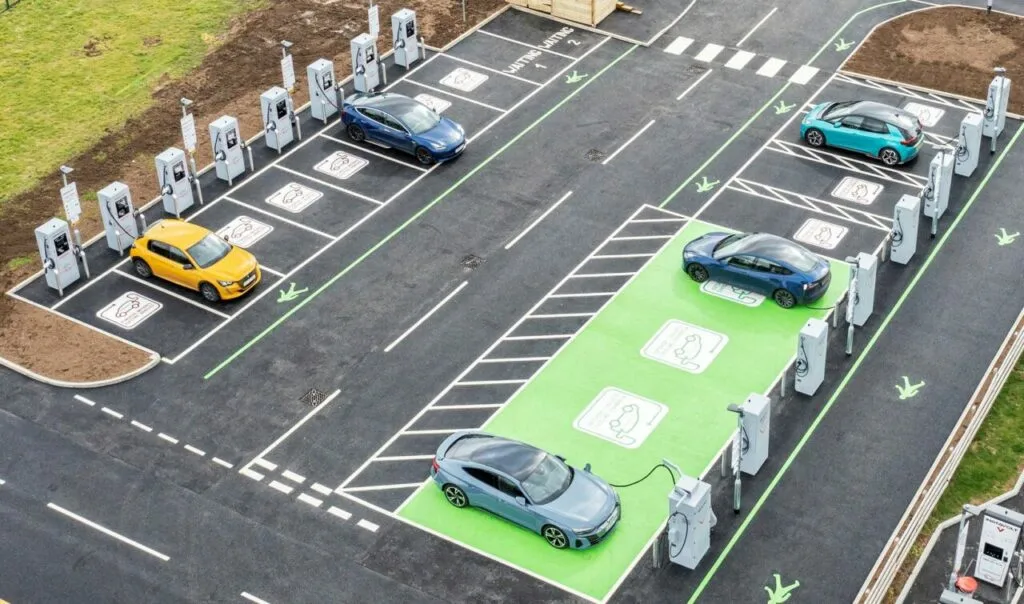
We took over a service doing exactly this. Its algorithm enforced a strict set of rules designed primarily around AC charging. DC sessions draw power, respond to limits and operate at power levels that are fundamentally different from AC. As a result, assumptions that were reasonable for AC caused serious problems for DC charging. Sessions could fail to start or be brought to an abrupt end when the algorithm reduced their allocation to zero.
The issues were not caused by one single thing. Several different conditions could each independently push a session to zero or prevent it from coming back. Some were edge cases in how the system flagged sessions it thought were drawing too much. Others came from unusual site configurations or vehicles that did not respond to power limits the way the system expected. Each condition looked small on its own, but for the driver the result was the same: no charge.
Rebuilding for real-world charging
Rather than continuing to modify the existing logic, we redesigned how power is shared from scratch. Our new approach divides the available capacity equally among all active sessions, AC and DC alike. When a session starts or ends, the split adjusts immediately. If a vehicle is not drawing its full share, the system gradually reclaims that capacity and makes it available to others, rather than letting it sit unused. The result is a fair, predictable distribution that adapts in real time to whatever is happening on site.

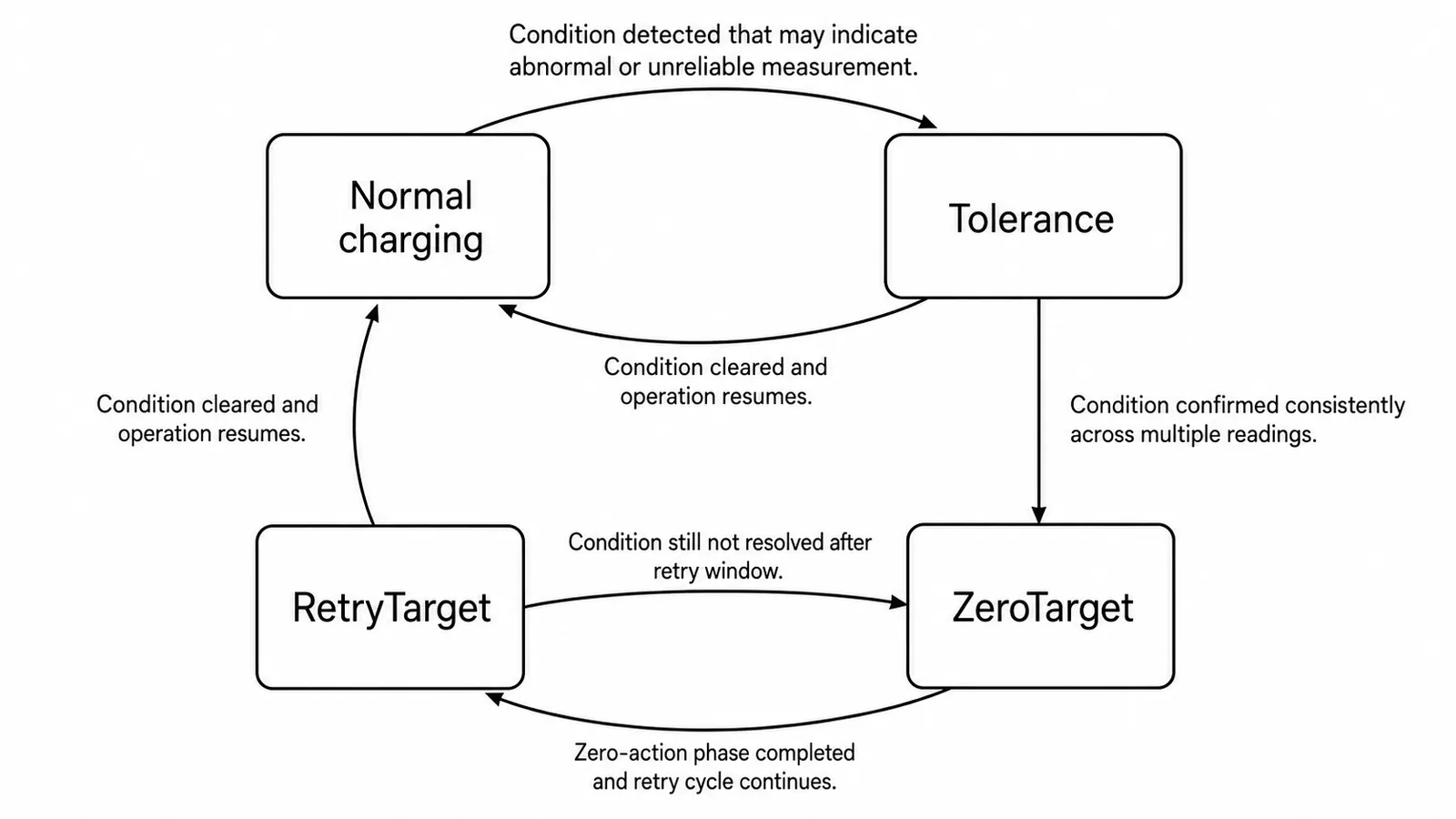
We also built a recovery mechanism for sessions where the current drops to zero without being limited there by the DLM. The system detects the stalled session, waits for the right moment, and then offers the vehicle a small amount of current to see whether it responds. If charging resumes, the system gradually restores the session's full allocation. If the vehicle does not respond, it tries again later. Previously, a session in this state could remain at zero indefinitely without manual intervention.
The codebase we inherited had no way to reproduce the failures that were happening in the field, which made every fix a gamble. So we built a simulator that models how real vehicles actually behave during a charge, including the awkward edge cases like cold batteries, slow ramp-ups and sudden drops. Every production issue gets reproduced in the simulator before it gets fixed, and the test stays in the suite permanently. That infrastructure is what gives us confidence that fixing one problem does not quietly reintroduce another.
What changed
The system now manages approximately 6,500 real charging sessions each month. Sessions that used to leave drivers stranded recover on their own, and operators configure the rules for sharing power instead of relying on logic buried in code. The system handles the variety of vehicles, charger types and site setups it encounters in production reliably and without manual intervention.