Modernising an EV charging platform API
We developed API v2 for an EV charging management platform, replacing inconsistent interfaces with a unified, well-documented API. The new version provides more than 200 endpoints for charging operations, payments, billing and external integrations, while handling 100,000–150,000 production requests per day.
- API v2 endpoints
- 200+
- production requests per day
- 100k–150k
The challenge
The API was a central integration point for an EV charging management platform. Its functionality covered charge point management, charging sessions, tariffs, billing, payments, customer management and support. External clients and partners depended on it to connect their systems to the platform.
As the platform grew and more integrations were introduced, the API became increasingly difficult to work with. Resource names, HTTP responses and filtering behaviour varied between endpoints. External integrators often had to learn how each individual endpoint behaved rather than being able to rely on a shared standard.

Documentation had not kept pace with the implementation, leaving clients to test endpoints directly instead of trusting the specification. Underneath the API, database procedures had also accumulated changes over time, with some heavier queries becoming slower under production load.
Building API v2
Rather than presenting these changes as a rewrite of the entire charging platform, the work focused on developing a new version of its public integration API. We defined common conventions for resource naming, HTTP methods, status codes, error responses, pagination and filtering, and applied them across API v2.
The new interface covers functionality used throughout the charging platform, including charging sessions, charger and location management, roaming-related data, tariffs, billing, payments, CRM and support. We also restructured application-layer logic to reduce duplication and make new functionality easier to develop.
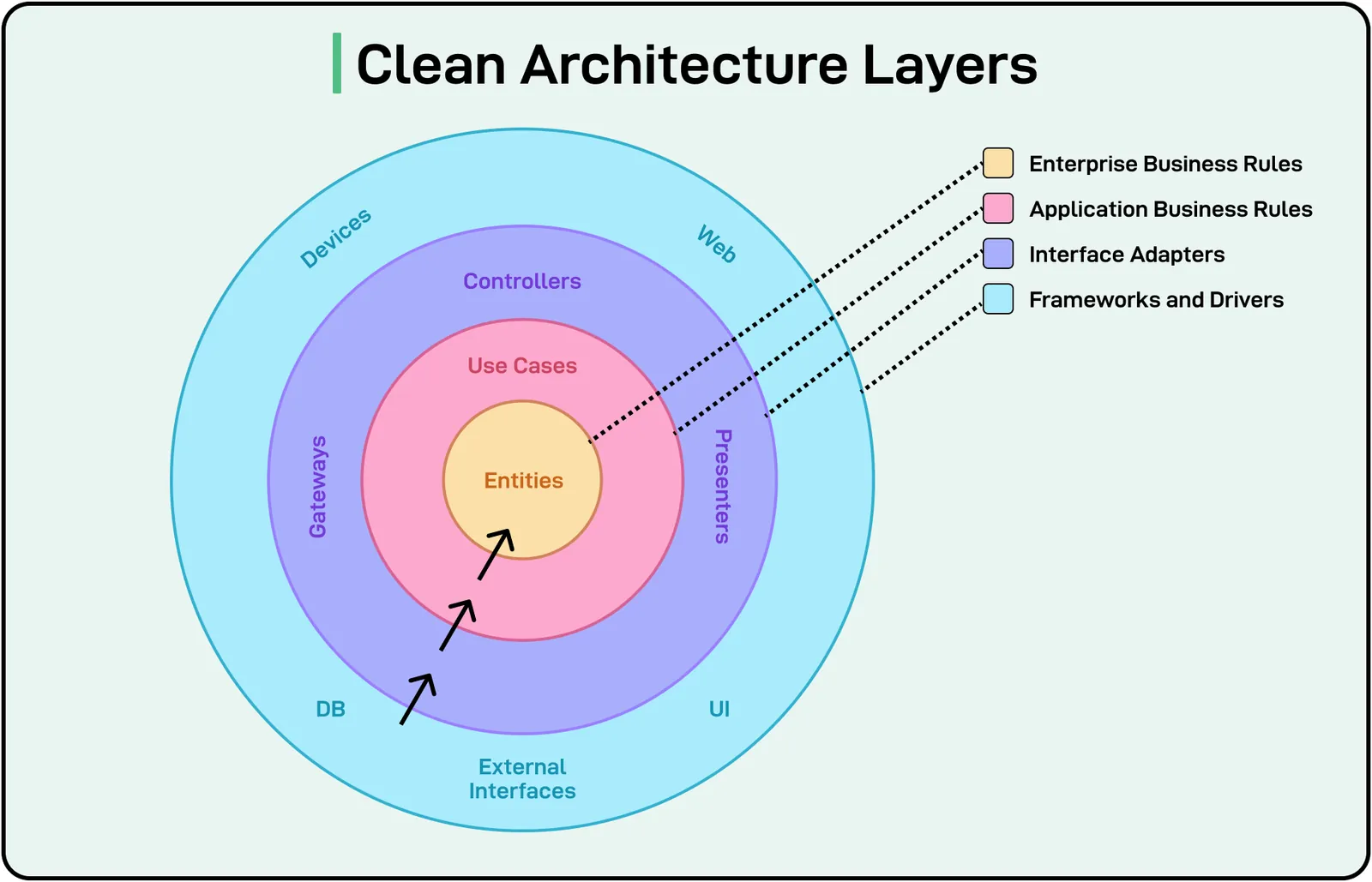
On the database side, we optimised stored procedures and queries, improved indexing and introduced keyset pagination for high-traffic endpoints where it was appropriate. These changes addressed performance concerns without implying that the underlying CSMS was rebuilt.
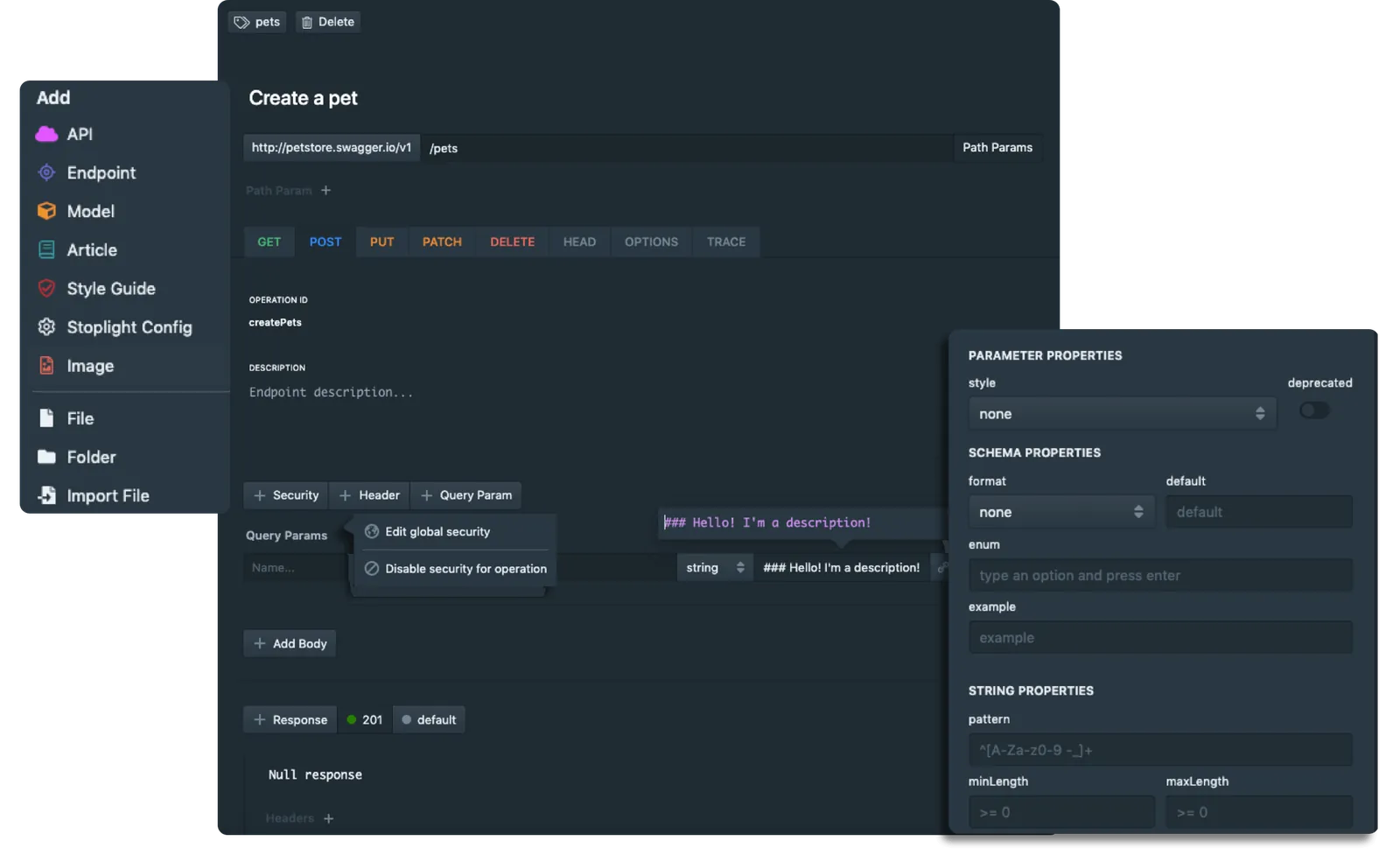
We also improved the reliability of the documentation by generating the OpenAPI specification directly from the code. Integrators can work from a specification that reflects the API implementation, rather than depending on a separately maintained document that can drift out of date.
What changed
The result is a new public API v2 with more than 200 endpoints, handling approximately 100,000–150,000 production requests per day. External partners have a more predictable and documented integration surface across the charging platform's core business functions.
Consistent conventions, clearer documentation and improvements to application and database logic make the API easier to integrate with, maintain and extend. Just as importantly, the project provides a stronger foundation for future integrations without suggesting that every legacy endpoint was replaced or that the entire charging platform was rewritten.