Dreev smart charging integration
We built a bidirectional integration between a multi-tenant EV charging platform and Dreev's smart charging service. Any French operator on the platform can now join Dreev's programmes through configuration alone, without a separate integration project.
The challenge
The client operates a multi-tenant EV charging platform used by several charge point operators, including in France. A new requirement emerged: French operators needed to connect with Dreev, a smart charging optimisation platform backed by EDF and Nuvve. Dreev coordinates when and how electric vehicles charge, aligning sessions with grid conditions and electricity pricing. For operators, this is not optional. Participating in smart charging programmes unlocks financial incentives and positions their networks for the flexibility markets that are becoming a core part of the French energy landscape.
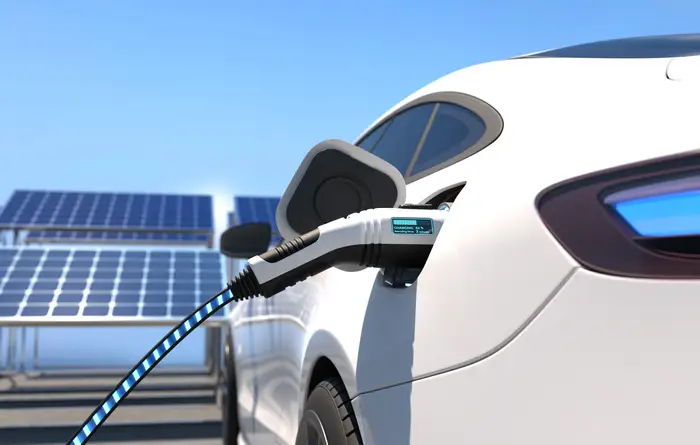
The challenge was that Dreev needed a continuous, detailed view of what was happening across charging infrastructure and the ability to shape how sessions are managed. At the same time, the charging platform had to remain the sole system communicating with physical chargers. That boundary was non-negotiable. No external party could speak to the hardware directly, and the integration had to work seamlessly across multiple operators using the same platform, each with their own fleet of stations and their own commercial arrangements.
Building smart charging into the platform
We designed and implemented a fully bidirectional integration between the charging platform and Dreev’s optimisation service. The solution was built as a white-label feature within the platform itself, meaning any French operator on the system can activate it without custom development. Each operator’s stations, connectors and session data flow to Dreev automatically, with the platform managing a clean mapping between internal and external identifiers so both systems always agree on what they are looking at.
On the outbound side, the platform continuously transmits session events, charging states, meter readings and station availability. Dreev uses this data to build its optimisation model and decide how charging should be shaped across the connected fleet. On the inbound side, Dreev sends back charging commands, and the platform translates these into the appropriate OCPP instructions for the physical chargers. The operators and their end users never see this exchange. Charging simply happens at the right time, at the right power level, guided by signals the platform handles behind the scenes.
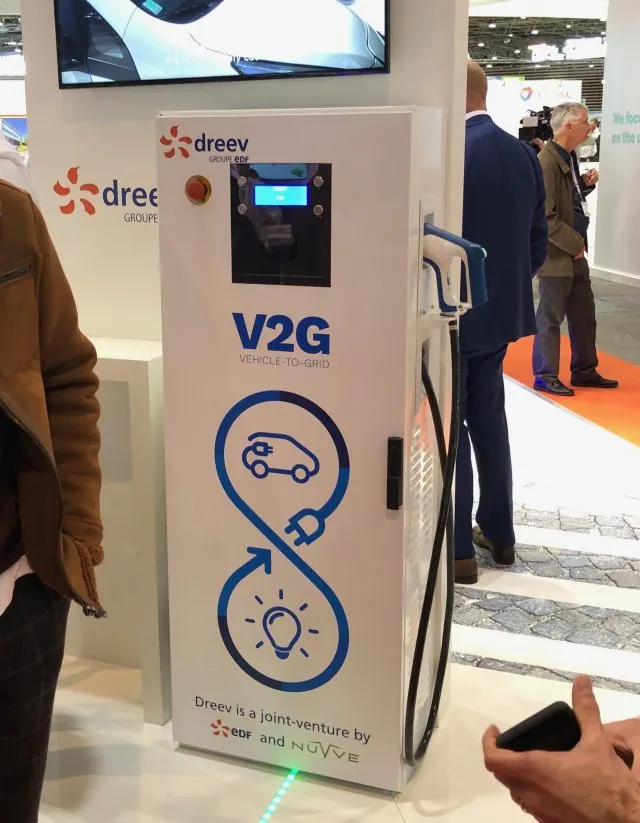
Authentication is handled through OAuth2 with automatic token management, so the connection stays alive without manual intervention. We generated the integration models directly from Dreev’s OpenAPI specification, which means the platform always speaks the exact contract Dreev expects. Every call includes retry logic and fault isolation: if a single station or session encounters an error, unrelated charging activity continues without interruption.
What changed
French operators on the platform now participate in Dreev’s smart charging programmes out of the box. They do not need a separate integration project, a dedicated technical team or a custom agreement with Dreev to get started. The white-label approach means that as new operators come on board, enabling smart charging is a configuration step rather than a development effort.
The integration creates a closed loop that runs without manual oversight. Dreev optimises charging behaviour across the connected fleet while the platform retains full responsibility for charger communication, session management and operational control. For the operators, this translates into access to flexibility revenue streams and compliance with French smart charging requirements, without adding operational complexity to their day-to-day work.